
Introduction
According to Allied Market Research, the global hair accessories market was valued at $24.8 billion in 2024 and is projected to reach $57.1 billion by 2034 (Allied Market Research, 2025). The report tracks kids as one of its three end user groups, which tells you how seriously the industry takes this shelf.
So here’s the problem with hair accessories for girls. You grab a pack of clips and half of them slide out by lunch. The headband pinches behind her ears. A tight elastic leaves a dent in her ponytail. Cheap, tiny, and annoying.
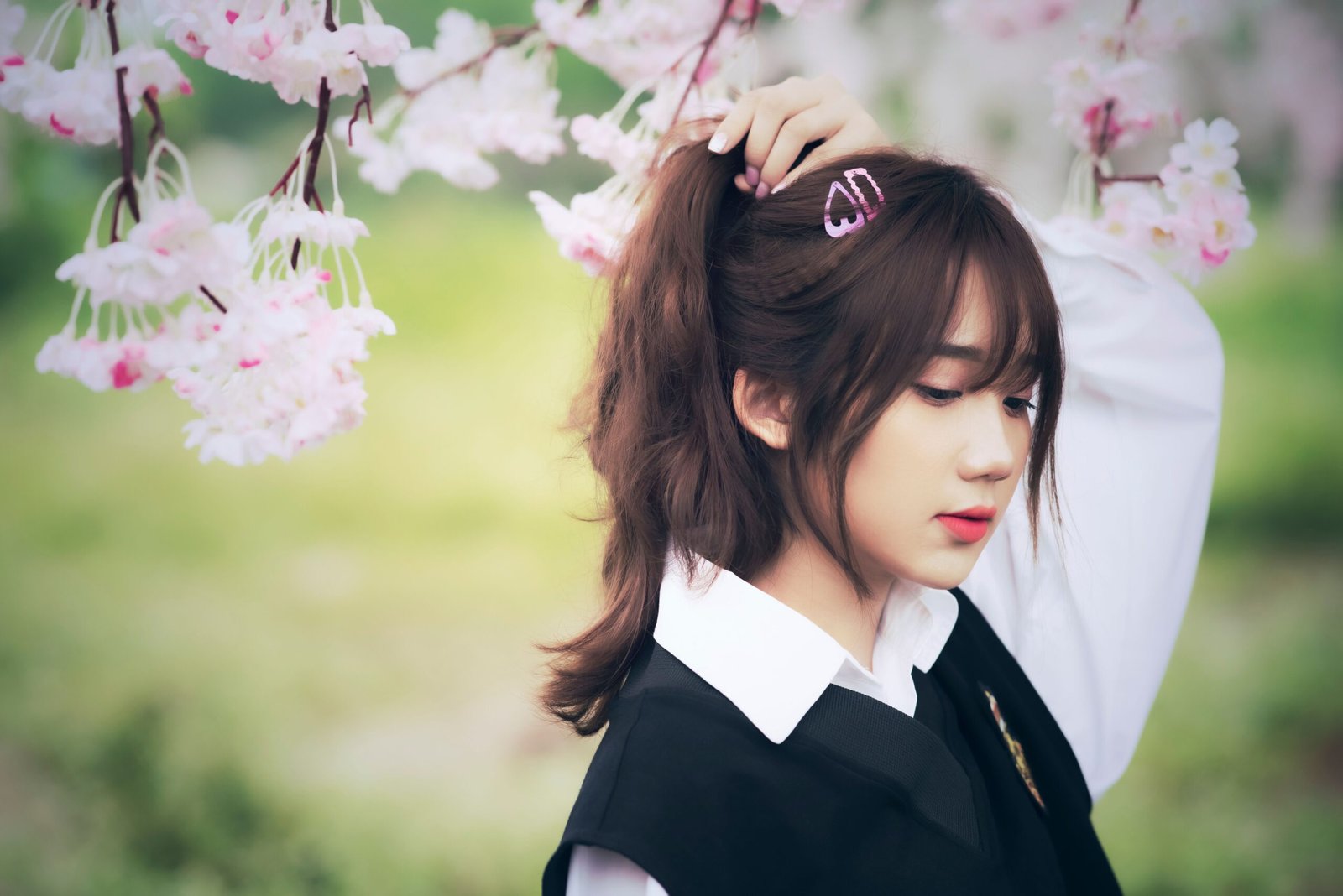
Fashion Style Blogs built this guide to skip the trial and error. It covers girls headbands, hair bands, flat hair clips, and mini claw clips, plus a simple safety check for tension and small parts.
Key Takeaways
- Hair bands secure, headbands manage, and clips target specific sections.
- Hair snap clips suit fine hair because the hinge locks shut instead of squeezing.
- Mini claw clips work best on medium to thick hair and small sections.
- Studies of school aged girls found traction alopecia in 8.6% to 21.7% of children in certain groups, so loose styles matter.
- The GRIP Check takes about 30 seconds and covers grip, release, age, and pull.
Read it start to finish, or jump to the section you need.
Table of Contents
- What Are Hair Accessories for Girls?
- Girls Headbands and Hair Bands for 2026
- Flat Hair Clips and Snap Clips Explained
- Mini Claw Clips: Are They Worth It in 2026?
- How to Choose Hair Accessories for Girls Safely
- Hair Accessories for Girls Comparison at a Glance
- Frequently Asked Questions
- Conclusion and Next Steps
What Are Hair Accessories for Girls?
Quick Answer: Girls use four main types of hair accessories: headbands, hair bands, flat clips, and mini claw clips. Each one solves a different problem, from stray bangs to a ponytail that won’t stay put. The right pick depends on hair thickness, hair length, and how long she’ll wear it.
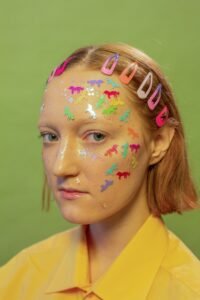
Hair accessories for girls are defined as any clip, band, headband, or pin that holds, styles, or decorates a child’s or teen’s hair. The category covers everyday tools like elastics and decorative pieces like bows.
The Four Core Types
Think of each accessory as a tool with one main job. Mixing them up is where most frustration starts. The table below stands on its own, so you can screenshot it for the next shopping trip.
| Type | Main Job | Best Hair Length | Grip Level | Price Tier |
|---|---|---|---|---|
| Girls headbands | Keep hair off the face | Short to long | Low to medium | $ to $$ |
| Hair bands | Secure ponytails and buns | Medium to long | Medium | $ |
| Flat hair clips | Hold bangs and side sections | Short to medium | Medium | $ |
| Hair snap clips | Lock small sections in place | Short to long | Medium to high | $ |
| Mini claw clips | Hold quick half up styles | Medium to long | Medium | $ to $$ |
Price tiers are typical US retail ranges: $ is budget multipacks, $$ is mid range. Check current prices at Target, Walmart, Amazon, and Claire’s before you publish.
Why the Category Keeps Growing
Snap clips, claw clips, and hair bands are listed as separate product types by Allied Market Research. That’s the clearest sign shoppers treat them as different tools, not one blob called “hair stuff.”
Market.us puts the 2024 market at $24.6 billion, heading to $53.6 billion by 2034 (Market.us, 2025). The two firms differ a little, which is normal, since each counts categories its own way. Treat both as estimates, not promises. Brands like Goody, Scünci, Kitsch, and Claire’s all compete in this space.
accessories for girls -> /accessories-for-girls/
Girls Headbands and Hair Bands for 2026
Girls Headbands That Stay Put
Girls headbands refer to curved bands, usually fabric, plastic, or padded, that sit across the top of the head to keep hair off the face. A hair headband is the fastest style fix there is. One motion, no mirror needed.
Q: Why do some headbands give girls headaches?
A: A headband gives headaches when it is too narrow for her head, because the band presses on one spot behind the ears. Pick a size with a little stretch and check for red marks after an hour.
Pro Tip: Picture a school morning with twelve minutes before the bus. Put the headband on first, then pull the front hair back, not the other way around. The band stays put and the hair sits smoother.
Headband With Clips for Extra Grip
A headband with clips adds small combs or teeth at the temples. That extra grip helps on silky or fine hair, and it helps during recess or sports. The catch is comfort. Teeth that sit rough against the scalp get irritating fast, so run a finger along them before buying.

Hair Bands and Elastics: Quick Rules
Hair bands are for securing, not decorating. Soft fabric versions cause less snagging than thin plastic elastics.
Before and after: Before, a tight ponytail with a thin elastic tugs at the hairline by mid afternoon. After, a loose low ponytail with a soft fabric hair band holds all day, and a headband catches the front pieces. Same hair, less pull.
Original framework: The Three Slot Rotation. Keep one accessory for the front (headband), one for the back (hair band), and one for the sides (clip). Rotate which one does the heavy lifting each day so no single spot takes constant tension.
Flat Hair Clips and Snap Clips Explained
How Hair Snap Clips Work
Hair snap clips are defined as hinged metal clips that close with a click and sit low against the head. Hair snap clips work by closing a hinged metal arm over a section of hair, so snap clips hold fine hair securely because the hinge locks shut instead of squeezing.
How to place one:
- Separate a small, smooth section of dry hair.
- Open the clip and slide it in at the root.
- Press the top until you hear the click.
- Tug gently. If it moves, take a thinner section.
Q: What is the difference between flat hair clips and snap clips?
A: Flat hair clips are the broader family of clips that lie low against the head. Snap clips are one type, closing with a click. Both work well for bangs and side parts.
Flat Hair Clips and Mini Hair Clips
Mini hair clips handle the small jobs: edges, bangs, a stray section that won’t behave. They’re cute, but honestly, they’re also the easiest to lose.
Original framework: The Section Size Ladder. Match the accessory to the size of the section, not the outfit.
- Tiny sections: mini hair clips for edges and bangs.
- Small sections: snap clips for side parts.
- Medium sections: mini claw clips for half up styles.
- Full head: hair bands for ponytails.
Pro Tip: On a rushed morning, clip the front first with one snap clip, then do the ponytail. The clip stops flyaways from escaping while you work.

Mini Claw Clips: Are They Worth It in 2026?
Quick Answer: Mini claw clips are worth it for girls with medium to thick hair who want fast half up styles. They grab small sections without twisting or pulling. Very fine hair can slip through the teeth, so a snap clip often holds better there.
Mini claw clips refer to small toothed clips built to grip small sections of hair, usually for half up styles and quick updos.
Where Mini Claw Clips Shine
They shine on thick or wavy hair, where the teeth have enough to bite. They also work for short bursts, like a school photo or a family dinner. As Allied Market Research lists claw clips and jaw clips as their own product type, the style isn’t a passing fad, though trends can still cool off.
How to Use One in Four Steps
- Gather the top half of her hair loosely.
- Twist it once, gently.
- Open the clip and slide it in against the twist.
- Close it and check she can move her head freely.
The limits are real. Fine hair slips. And a claw clip pressed hard on one spot for hours can dent hair or feel tight, which brings us to safety.
Q: Can a mini claw clip hold a ponytail?
A: Only a small, loose one on thick hair. For a full ponytail, a hair band is safer and more secure.
How to Choose Hair Accessories for Girls Safely
The GRIP Check Framework
Original framework: The GRIP Check. Run it before you buy and before she leaves the house.
- G, Grip: Does it hold without squeezing hard?
- R, Release: Can you remove it in seconds without tugging?
- I, Intended age: Does the label match her age?
- P, Pull: Gently tug the finished style. If skin lifts at the hairline, loosen it.
If a style leaves red marks at the hairline, it is too tight.
Tension and Hair Health
Traction alopecia is defined as hair loss caused by persistent pulling on the hair follicles. A clinical review lists frequent tight buns or ponytails, extensions, and tight braids as the highest risk hairstyles (Clinical, Cosmetic and Investigational Dermatology, 2018).
Mini case study: A study of African American girls aged 5.4 to 14.3 years found signs of traction alopecia in 18% of them (StatPearls, accessed 2026). A separate South African study from Khumalo and colleagues found it in 17.1% of schoolgirls aged 6 to 21 (Journal of the American Academy of Dermatology, 2008). The takeaway for parents: loosen styles, and the fix usually costs nothing.
These findings come from specific groups and mostly involve braiding, not clips. I wouldn’t claim a snap clip causes hair loss. I’d say tight, constant pulling on any hair accessory is the risk.
Q: Do mini claw clips damage hair?
A: Not by themselves. Damage risk rises when any accessory pulls hard on the same strands for hours.
Small Parts and Age Labels
The CPSC defines a small part as an object that fits entirely inside a cylinder approximating the fully expanded throat of a child under three (CPSC, accessed 2026). The small parts ban excludes children’s clothing and accessories such as shoe lace holders and buttons. So a tiny bow may not have gone through the same testing as a toy. Check the label, and keep small decorative pieces away from toddlers.
The Hair Type Match Matrix
| Hair Type | Best Pick | Why It Works | Watch Out For | Tension Level |
|---|---|---|---|---|
| Fine and straight | Snap clips, soft hair bands | Locks shut without squeezing | Wide claw teeth slip through | Low |
| Thick and straight | Mini claw clips, wide headbands | Teeth bite into enough hair | Snap clips may feel crowded | Medium |
| Wavy | Fabric headbands, flat hair clips | Texture adds natural grip | Slick satin bands slide | Low |
| Curly or coily | Soft fabric headbands, smooth hair bands | Gentle on dense texture | Snagging elastics, tight styles | Low to medium |
| Short and layered | Mini hair clips, stretch headbands | Controls edges and bangs | Heavy clips pull short strands | Low |
Hair Accessories for Girls Comparison at a Glance
| Option | Key Feature | Best For | Price | Rating |
|---|---|---|---|---|
| Fabric girls headbands | Soft, no teeth | Everyday wear, all hair types | $ to $$ | Add after testing |
| Headband with clips | Extra grip at temples | Sports, silky hair | $ to $$ | Add after testing |
| Hair snap clips | Locking hinge | Fine and medium hair | $ | Add after testing |
| Flat hair clips | Sit low against the head | Bangs, side parts | $ | Add after testing |
| Mini claw clips | Quick one hand use | Thick hair, half up styles | $ to $$ | Add after testing |
| Soft hair bands | Gentle on hair | Ponytails, buns | $ | Add after testing |
Our pick: Soft hair bands plus snap clips cover most school days, because they grip without heavy pressure. Add a mini claw clip for weekends and a headband with clips for sports.
Frequently Asked Questions
What are hair accessories for girls?
Hair accessories for girls are clips, bands, headbands, and pins that hold or decorate a child’s or teen’s hair. The most common types are girls headbands, hair bands, flat hair clips, hair snap clips, and mini claw clips. Each one does a different job, from keeping bangs out of her face to securing a full ponytail through a school day.
How do hair snap clips work?
Hair snap clips work by closing a hinged metal arm over a section of hair with a small click. The clip locks shut, so it holds fine and medium hair without squeezing the way an elastic does. Slide it in at the root of a smooth, dry section, then press until you hear the snap.
Are mini claw clips worth it for girls?
Mini claw clips are worth it for girls with medium to thick hair who want quick half up styles. They grab small sections fast and need no pulling or twisting. The tradeoff is that very fine hair can slip through the teeth, so a snap clip usually holds better on fine strands.
What is the best way to pick hair accessories for girls with fine hair?
Start with snap clips, soft hair bands, and fabric headbands, because they grip without heavy pressure. Fine hair slips out of wide, toothy clips, so skip big claw clips for daily wear. Choose smooth edges, test the grip on dry hair, and keep a mini claw clip only for short half up styles.
How much should parents spend on hair accessories for girls?
Most families do well spending a little more on soft hair bands and headbands and very little on novelty clips. Multipacks from stores like Target, Walmart, and Amazon usually sit in the budget tier, while specialty brands cost more per piece. Spend where the accessory touches hair every day, and treat sparkly one offs as cheap extras.
Is a headband with clips better than a plain girls headband?
A headband with clips holds better on slippery or fine hair, while a plain headband is gentler and quicker to put on. The clips add grip at the temples, which helps during sports. Check that the clip teeth sit smooth and flat, since they press against the scalp for hours.
Why does my daughter’s headband keep slipping off?
A headband usually slips because it is too wide for her head, made of slick fabric, or placed on freshly washed, silky hair. Move it back a little behind the hairline, choose a fabric or velvet band with some stretch, or try a headband with clips for extra grip. If it leaves red marks, size up.
What’s the safest way to wear hair accessories for girls every day?
The safest way is to keep styles loose and rotate placements so the same strands are not pulled all day. Studies tie tight, constant pulling to traction alopecia, which is hair loss from tension. Skip tight ponytails and buns on school mornings, take clips out at bedtime, and ask her if anything feels tight.

Conclusion and Next Steps
Three things matter most. Match the accessory to the job: bands secure, headbands manage, clips target. Match the grip to the hair: fine hair needs lock, not squeeze. And keep every style loose enough that skin never lifts at the hairline.
Choosing hair accessories for girls gets easy once you run the GRIP Check. Save this guide, share it with the next parent asking in your group chat, and check our related hairstyle tutorials.
Next steps for the next 10 minutes:
- Sort her current stash by type and toss anything with rough edges.
- Run the GRIP Check on three favorites.
- Order one snap clip pack and one soft hair band set.
Author Bio
Nida Farhan is a content strategist and SEO writer who runs Fashion Style Blogs, a fashion and beauty site for a US audience. She builds topic clusters across jewelry, swimwear, beauty, and accessories, and she checks every number against its original source before it goes live.
Last Updated: October 17, 2026
Fact checked by: nida farhan
References
- Allied Market Research. Hair Accessories Market Forecast, 2025 to 2034. Press release via PR Newswire, November 27, 2025. https://tools.prnewswire.com/en-us/live/20817/release/20251127EN34586
- Market.us. Hair Accessories Market, 2025. https://market.us/report/hair-accessories-market/
- U.S. Consumer Product Safety Commission. Small Parts for Toys and Children’s Products. https://www.cpsc.gov/smallparts
- StatPearls. Traction Alopecia. NCBI Bookshelf. https://www.ncbi.nlm.nih.gov/books/NBK470434/
- Khumalo NP et al. Determinants of marginal traction alopecia in African girls and women. Journal of the American Academy of Dermatology, 2008. https://doi.org/10.1016/j.jaad.2008.05.036
- Traction alopecia: the root of the problem. Clinical, Cosmetic and Investigational Dermatology, 2018. https://www.doi.org/10.2147/CCID.S137296

