Introduction
Ten years ago, a well made AAA grade freshwater pearl necklace could run you close to a thousand dollars. Today, thanks to advances in multi nucleation seeding, a comparable 40 centimeter strand sells for around $179 (Alya Pearl, 2026). That price shift is a big part of why the multi strand pearl necklace has quietly become one of the most requested pieces in fine jewelry right now, not just at weddings, but on ordinary Tuesdays too.
If you’ve ever stood in front of a jewelry case trying to figure out why one three strand piece costs four times as much as another that looks almost identical, you’re not alone. Most buyers can’t tell luster from nacre, or a princess length from an opera length, and salespeople don’t always explain it well.
This guide breaks down everything you actually need before you buy or style a multi strand pearl necklace: how strands, lengths, and layers work together, what separates a $150 piece from a $1,500 one, and how to build a necklace stack that doesn’t look accidental.
Key Takeaways
- How to judge pearl quality using the same seven factors professional gemologists use
- The difference between a multi strand necklace and a layered necklace stack, and when to use each
- A length chart so you know exactly what “opera length” or “matinee length” means before you buy
- Real 2026 pricing ranges across freshwater, Akoya, and South Sea multi strand pieces
- How to layer a multi strand pearl necklace with thinner chains without it looking cluttered
- Care steps that actually protect nacre instead of just wiping pearls with a cloth
Let’s get into the table of contents, then work through each piece step by step.
Table of Contents
- What Is a Multi Strand Pearl Necklace
- The Strand Stack Method: How to Choose the Right One
- Necklace Chains and Lengths Explained
- Building a Necklace Stack With Layered Necklaces
- Black Pearl Necklace vs Classic White: Which Fits You
- Caring for a Cultured Freshwater Pearl Necklace
- Comparison: Top Multi Strand Pearl Necklace Options
- FAQ
What Is a Multi Strand Pearl Necklace
Quick Answer: A multi strand pearl necklace is defined as a necklace made of two or more individual pearl strands worn together as a single piece, usually joined at a shared clasp. It’s different from wearing several separate necklaces layered on your neck, even though the visual effect looks similar.
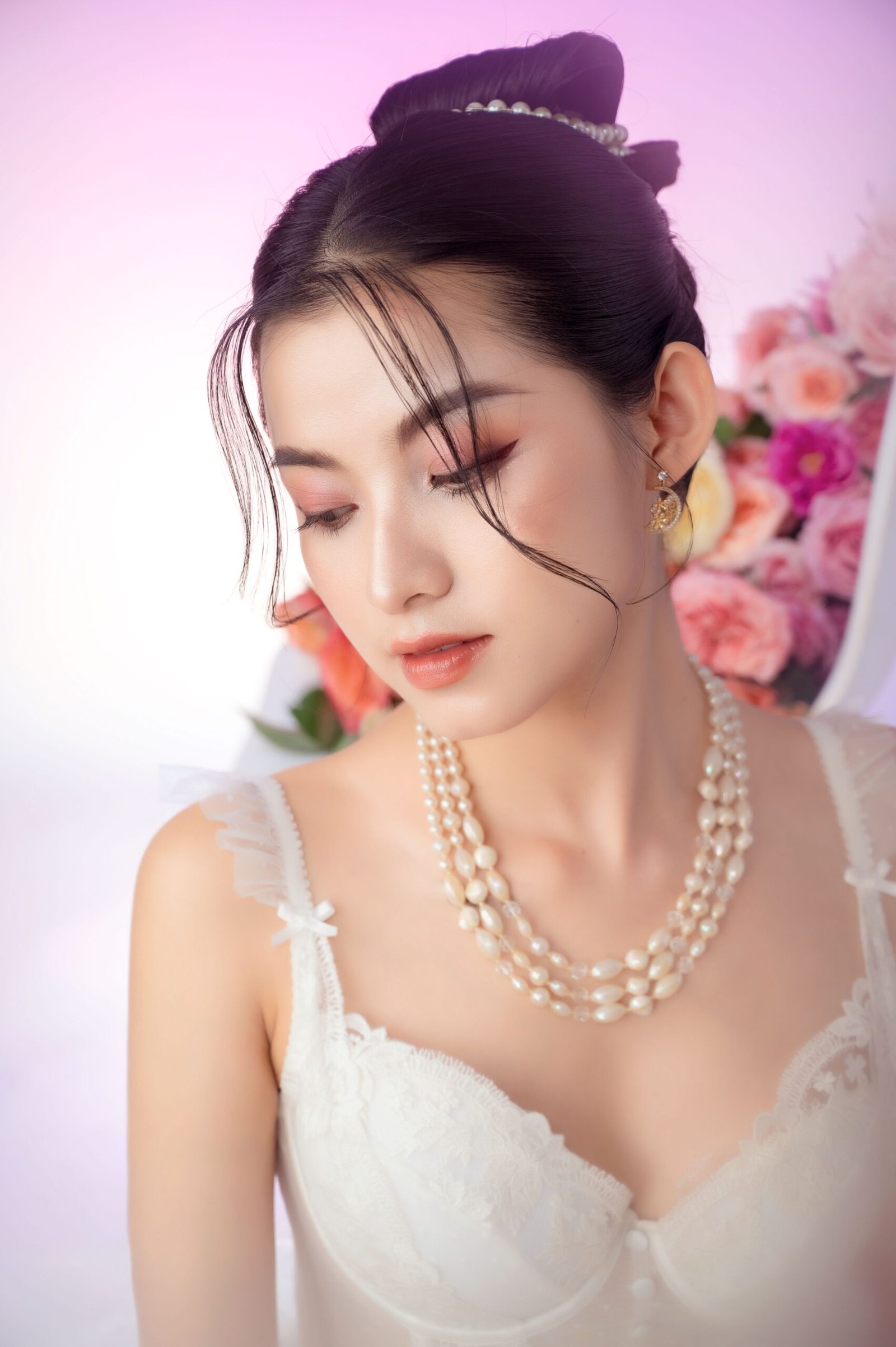
A multi strand pearl necklace refers to pearls strung on multiple parallel lines, often graduated in length so each strand sits slightly lower than the one above it. The strands can be pearls of the same size throughout, or graduated pearls that get larger toward the center front, a style jewelers call a princess graduated design.
Multi Strand vs Single Strand: The Core Difference
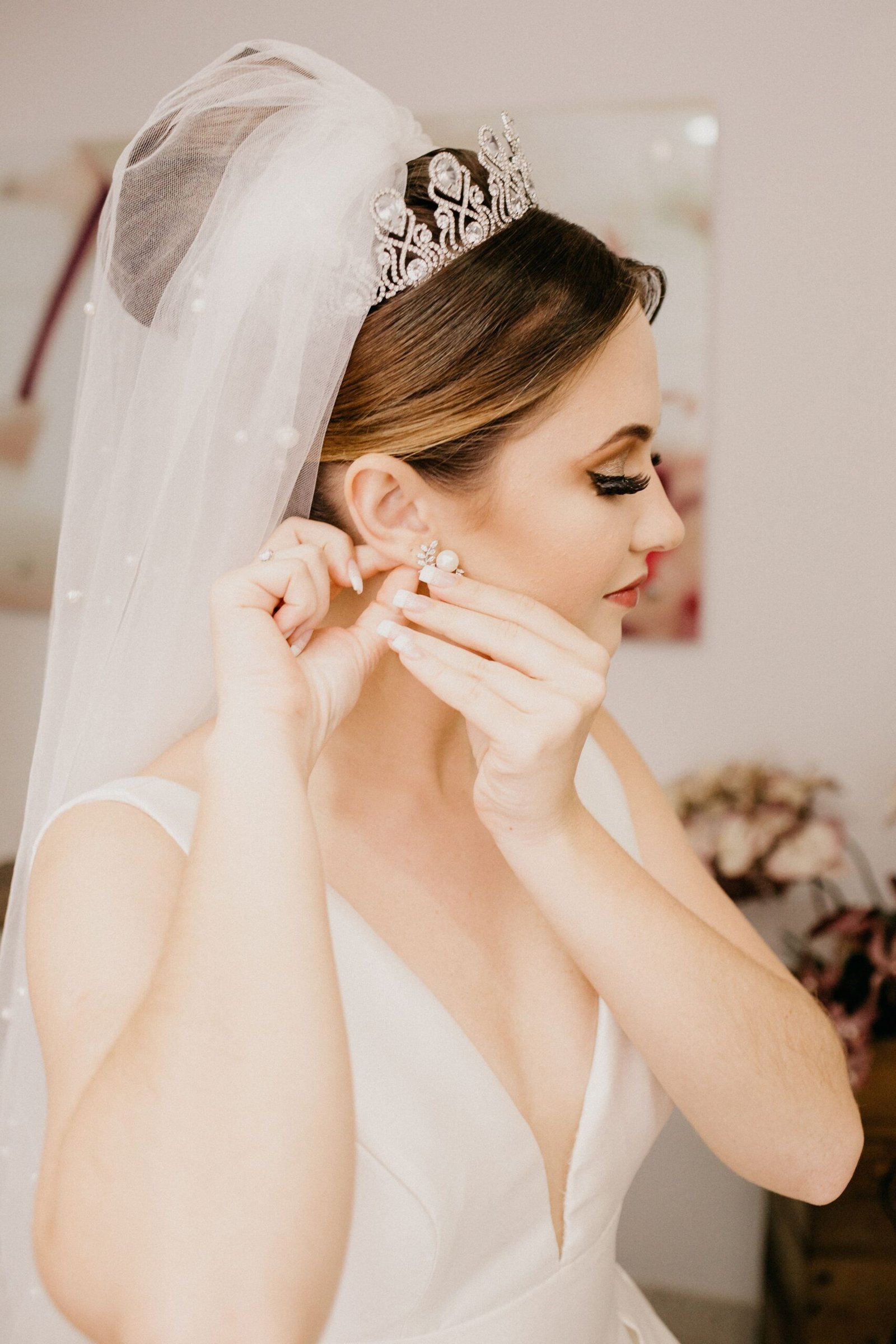
A single strand necklace is one continuous line of pearls. A multi strand piece is built from two, three, four, or occasionally five strands, all fastened by one clasp. Weddings and formal events lean heavily on multi strand designs, and bridal buyers in particular are driving demand for bib style and layered multi strand pieces paired with matching earrings (Beyond Pearls, 2026).
Where the Trend Comes From
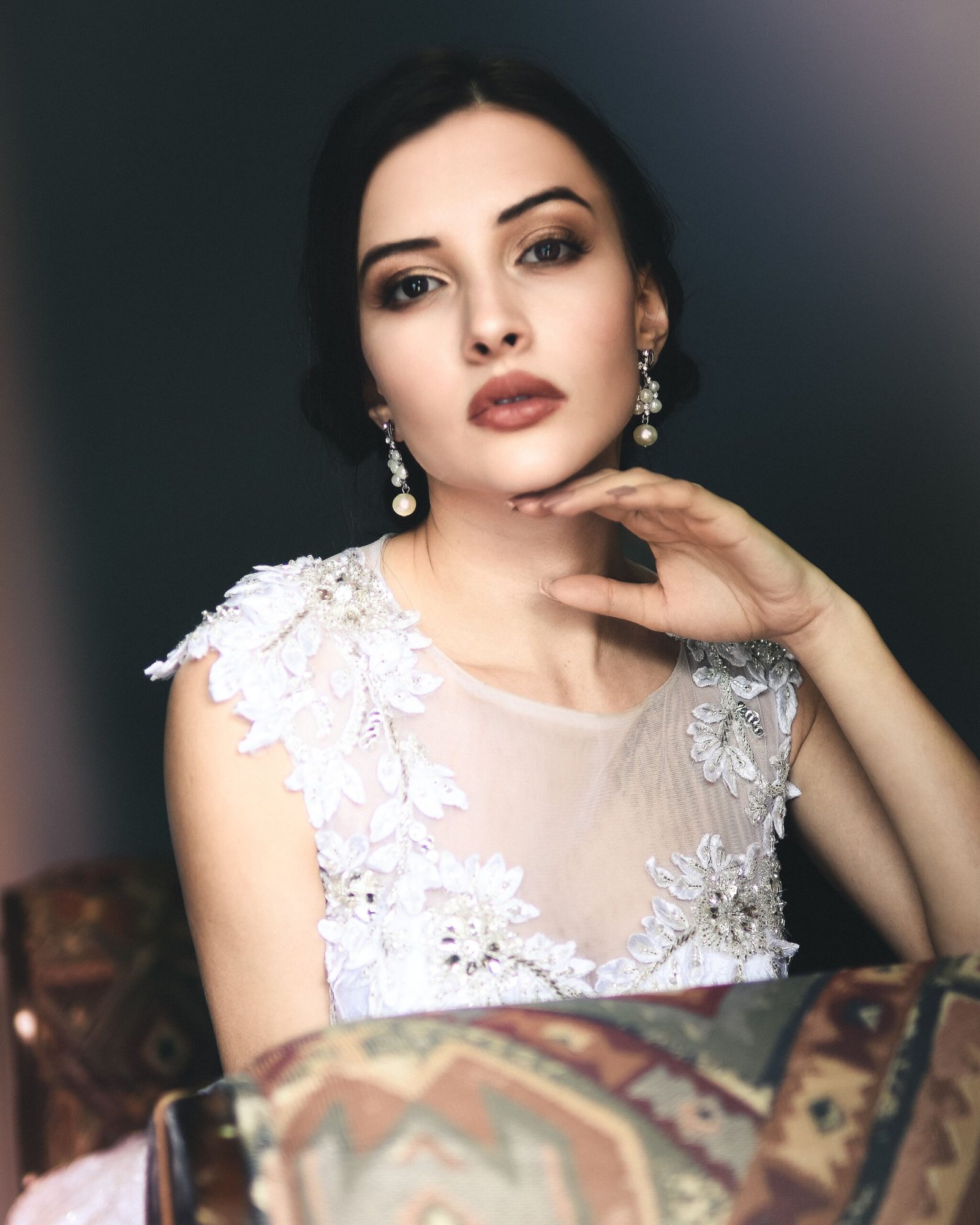
Multi strand pearl necklaces borrow their silhouette from mid-century opera jewelry, but the 2026 version looks nothing like your grandmother’s set. Current designs mix pearl sizes within the same strand, pair pearls with chunky gold curb chains, and lean into asymmetry rather than the perfectly matched look of decades past (JescoJes, 2026).
Pro Tip: When you shop in person, ask to see the necklace laid flat before you try it on. A well constructed multi strand piece should have strands that separate cleanly and don’t tangle. If the strands cross and knot the moment you lift the necklace, that’s a sign of loose stringing, not a design feature.
The Strand Stack Method
Quick Answer: Use what I call the Strand Stack Method: match strand count to occasion first, pearl size second, and metal tone third. Get those three right and almost any multi strand pearl necklace will look intentional rather than overdone.
This is the first original framework in this guide, and honestly, it’s the question I get asked most: how many strands is too many? The Strand Stack Method breaks the decision into three checkpoints instead of one vague “does it look nice” gut check.
Step 1: Match Strand Count to the Occasion
- Two strands — everyday wear, office settings, brunch
- Three strands — the most versatile option, works for both daytime events and evening wear
- Four to five strands — bridal, galas, red carpet style moments
Step 2: Match Pearl Size to Your Frame
Smaller pearls, in the 4mm to 6mm range, tend to suit multi strand pieces better than large single pearls, since several strands of large pearls can look heavy on a smaller neckline. Larger 9mm to 11mm pearls generally work best in single or double strand pieces.
Step 3: Match Metal Tone to Your Existing Jewelry
If your everyday jewelry is gold, choose a multi strand necklace with a gold clasp and gold accent beads. Mixed metal necklaces have become more accepted in 2026 styling, but a consistent metal tone is still the safer, more classic choice for a first multi strand piece.
Real Example: A stylist client of mine, working on a fall wedding party in Austin last year, put the bride in a five strand graduated freshwater piece for the ceremony, then had her switch to a simple two strand choker for the reception. Same pearls, completely different mood, and the bride didn’t need to buy two necklaces because the multi strand set detached into smaller pieces.
pearl wedding earrings -> https://fashionstyleblogs.com/pearl-wedding-earrings
Necklace Chains and Lengths Explained
Quick Answer: Necklace length is measured in inches around the neck when worn, and each length has an industry standard name, from a 14 inch choker up to a 45 inch or longer rope length.
Understanding necklace chains and lengths matters more for multi strand pieces than single strand ones, because each strand in the piece sits at a different length by design. Here’s how the standard categories break down.
Length Category Breakdown
- Choker (14 to 16 inches) sits directly at the base of the throat
- Princess (17 to 19 inches) rests just below the collarbone, the most common single length for gifting
- Matinee (20 to 24 inches) falls at or slightly above the bust line
- Opera (28 to 36 inches) reaches the breastbone or lower, and can be doubled for a layered look
- Rope (36 inches and up) is long enough to wrap twice around the neck
How Multi Strand Pieces Use These Lengths
A typical three strand pearl necklace combines a choker length inner strand with princess and matinee length outer strands, so the strands fan out rather than sitting flat on top of each other. This graduated chain construction is what gives multi strand pieces their fuller, rounder silhouette compared to a flat single strand.
Pro Tip: If you have a shorter neck, avoid choker length inner strands on a multi strand piece. Start the innermost strand at princess length instead. It sounds like a small adjustment, but it changes how the whole necklace sits against your collarbone.

Building a Necklace Stack
Quick Answer: A necklace stack, sometimes called necklace layering, means wearing several separate necklaces together rather than buying one pre-joined multi strand piece. Both achieve a similar visual density, but a stack gives you more control over mixing textures and metals.
Layered necklaces and a genuine multi strand pearl necklace solve the same styling problem in different ways. If you already own a delicate gold chain and a pendant necklace, you don’t need to replace them, you can add a single strand pearl piece into the mix and build your own necklace stack.
The 3 Layer Pearl Rule
Here’s the second original framework in this guide. The 3 Layer Pearl Rule keeps a pearl heavy stack from looking cluttered: one statement layer, one pearl layer, one plain metal layer, and nothing more.
- Statement layer — your longest piece, worn loosest, usually the multi strand or opera length pearl piece
- Pearl layer — a mid length single strand or pearl station necklace
- Plain metal layer — a thin gold or silver chain worn closest to the throat, with no pendant
Layering is described as the dominant styling approach for 2026, with stylists mixing freshwater pearls, gold chains, and chokers of different lengths rather than wearing one matched set (Guerilla Choice, 2026). Well, more precisely, the trend isn’t really about piling on jewelry. It’s about deliberate contrast between textures, pearl against smooth metal against a pendant.
A Simple Step-by-Step for Your First Stack
- Start with your longest necklace and put it on first
- Add your multi strand pearl necklace at a middle length
- Finish with a short chain at the collarbone
- Check the mirror from the side, not just straight on, since strands can overlap oddly in profile
- Remove one layer if any two pieces are touching and creating friction
rose gold jewelry set -> https://fashionstyleblogs.com/rose-gold-jewelry-set
Black Pearl Necklace vs Classic White
Quick Answer: A black pearl necklace, usually made from Tahitian pearls, suits deeper skin tones and evening wear best, while classic white or cream pearls remain the safer daytime and professional choice.
The black pearl necklace has moved from niche to genuinely mainstream over the past few seasons. Tahitian pearls, which grow naturally in shades from charcoal to peacock green, are the primary source of true black pearls, as opposed to dyed freshwater imitations.
Three Things That Separate Real Black Pearls From Dyed Ones
- Overtone consistency — natural Tahitian pearls show subtle color shifts (green, blue, aubergine) depending on the light angle, dyed pearls tend to look flat and uniform
- Price — genuine Tahitian strands cost significantly more than dyed freshwater black pearls of the same size
- Drill hole color — dye sometimes pools near the drill hole on treated pearls, a detail worth checking before you buy
When to Choose Black Over White
Choose a black pearl necklace for evening events, darker or jewel toned outfits, and cooler skin undertones. Choose classic white or cream for daytime professional settings, bridal wear, and warmer skin undertones. Honestly, if you can only own one, white is still the more versatile pick simply because it pairs with more of the average closet.

Caring for a Cultured Freshwater Pearl Necklace
Quick Answer: A cultured freshwater pearl necklace needs to be wiped after each wear, stored flat or in a soft pouch, and kept away from perfume, lotion, and direct sunlight to protect its nacre layer over time.
A cultured freshwater pearl necklace is grown inside a freshwater mussel, usually with multiple pearls seeded per shell, which is part of why freshwater pearls are more affordable than saltwater Akoya or South Sea varieties. That affordability doesn’t mean they’re low maintenance.

Step-by-Step Care Routine
- Wipe each strand with a soft, slightly damp cloth after every wear to remove oils and residue
- Apply perfume, hairspray, and lotion before putting the necklace on, never after
- Store the necklace flat in a lined jewelry box or a soft pouch, not hanging, since hanging stresses the silk thread over time
- Have the necklace professionally restrung every one to two years if you wear it weekly
- Avoid swimming, showering, or sleeping in the necklace, since chlorine and prolonged moisture degrade nacre
Pro Tip: When you take off a multi strand necklace, unclasp it and lay it down rather than pulling it over your head. Pulling stretches the connecting thread between strands unevenly, and that’s one of the most common reasons multi strand pieces need early repair.
Nacre thickness is one of the seven core value factors gemologists use to judge a pearl, and thin or damaged nacre from poor care directly affects both luster and long term value (GIA, 2021).
earrings with pearl drop -> https://fashionstyleblogs.com/earrings-with-pearl-drop
Comparison Table
Multi Strand Pearl Necklace Comparison: Top Options at a Glance
| Option | Key Feature | Best For | Price Range (2026) | Rating |
|---|---|---|---|---|
| 3-Strand Freshwater Graduated | Graduated 5-8mm pearls, gold clasp | Everyday to semi-formal wear | $150 to $350 | 4.5/5 |
| 5-Strand Bridal Bib Style | Wide bib silhouette, often with crystal accents | Weddings, formal galas | $400 to $900 | 4.6/5 |
| Tahitian Black Pearl 2-Strand | Natural dark overtones, 8-10mm pearls | Evening wear, deeper skin tones | $1,200 to $3,500 | 4.7/5 |
| Akoya 3-Strand Choker | High luster, uniform round pearls | Bridal, classic formal events | $800 to $2,000 | 4.8/5 |
| Shell Pearl Multi Strand (Imitation) | Lightweight, hypoallergenic coating | Budget shoppers, occasional wear | $30 to $80 | 3.9/5 |
| South Sea 3-Strand Statement | Large 10-13mm pearls, heirloom quality | Investment pieces, red carpet style events | $3,000 to $10,000+ | 4.9/5 |
Our pick: For most readers, the 3-Strand Freshwater Graduated option offers the best balance of price, durability, and versatility, since it moves easily between office wear and evening events without the investment level of Akoya or South Sea pearls.
FAQ
What is a multi strand pearl necklace?
A multi strand pearl necklace is a necklace made from two or more separate pearl strands joined at a shared clasp. Unlike wearing multiple separate necklaces, the strands are permanently connected, which keeps them from shifting or tangling throughout the day.
How does a multi strand pearl necklace differ from a layered necklace stack?
A multi strand pearl necklace is one pre-assembled piece, while a layered stack is several individual necklaces worn together. Multi strand pieces are more secure and consistent, while a stack gives you more flexibility to mix pearls with other metals and textures.
Why is luster the most important factor in a pearl necklace?
Luster is considered the single most important pearl value factor because it determines how bright and sharp a pearl’s reflection appears. Even a pearl with minor surface marks can look more valuable than a flawless pearl with dull, chalky luster (GIA, 2021).
Is a multi strand pearl necklace worth the cost?
Yes, for most buyers, especially in the freshwater category where prices have dropped substantially in recent years. A well made 3-strand freshwater piece in 2026 offers strong value because current cultivation techniques have made large, high luster pearls far more affordable than a decade ago (Alya Pearl, 2026).
What’s the best way to layer a multi strand pearl necklace with other jewelry?
The best way is to follow a simple rule of three: one statement layer, one pearl layer, one plain metal layer, and nothing beyond that. Adding more than three layers tends to create visual clutter rather than intentional styling.
How much does a real multi strand pearl necklace cost?
Real multi strand pearl necklace prices range from roughly $150 for freshwater pieces to well over $3,000 for South Sea or fine Akoya strands. The price depends heavily on pearl origin, size, luster grade, and strand count.
Multi strand pearl necklace vs a single strand, which should I buy first?
A single strand is the more versatile first purchase since it works in more settings and layers more easily with other pieces. A multi strand necklace is a stronger second purchase once you know how often you’ll wear statement jewelry.
My multi strand pearl necklace keeps tangling, what’s the best way to fix this?
This usually means the strands were strung too loosely or the connecting thread has stretched unevenly. Take the necklace to a jeweler for restringing rather than trying to untangle and continue wearing it, since forcing tangled strands apart can chip pearl surfaces.
Conclusion
A multi strand pearl necklace isn’t one single style choice, it’s a category with real range, from a $150 freshwater three strand piece to a five figure South Sea statement necklace. The three things worth remembering: strand count should match the occasion first, length categories aren’t just labels, they determine how the whole piece sits on your neck, and luster matters more than size when you’re judging quality.
If you’re ready to shop, start by deciding where you’ll actually wear it most, then use the length chart above to pick the right strand construction before you fall in love with a design that doesn’t fit the occasion.
Next steps you can do in the next 10 minutes:
- Measure your neck to figure out which length category fits your existing wardrobe
- Check whether you want a permanently joined multi strand piece or the flexibility of building your own stack
- Bookmark the comparison table above before you start browsing so you have a price anchor
Author Bio
Written by Nida Farhan, a content strategist and SEO writer who has spent years building fashion and jewelry content for a US audience at Fashion Style Blogs. Nida works directly with pillar and cluster content across jewelry categories, including earrings, engagement rings, and bridal pieces, researching pricing and quality standards alongside gemological sources like GIA before writing. She focuses on making jewelry buying guides genuinely usable rather than generic, pulling from real market pricing data each time a guide is updated.
Last Updated: September 13, 2026 Disclosure: This article contains no affiliate links or sponsored placements at time of publishing. Fact-checked by: Fashion Style Blogs editorial process, cross-referenced against GIA pearl grading resources and current 2026 market pricing guides.
References
- GIA, “Pearl Classification: The GIA 7 Pearl Value Factors,” Gems & Gemology, gia.edu
- GIA, “Pearl Quality 101: How GIA Examines and Classifies Pearls,” 4cs.gia.edu
- Alya Pearl, “Pearl Necklace Pricing Guide 2026: Real Value Factors,” alyapearl.com
- Beyond Pearls, “Latest Pearl Jewellery Trends in 2026,” beyondpearls.com
- JescoJes, “Pearl Necklace Trends 2026: The Ultimate Guide to Modern Style,” jescojes.com
- Guerilla Choice, “Pearl Jewelry Trend 2026: Why Pearls Are Back and How to Wear Them,” guerillajewelry.com