

Updated for 2026 | Last Updated: September 15, 2026 | Fact-checked by Nida Farhan | Disclosure: This post contains no affiliate links at this time.
Nearly 1 in 3 Americans report cold hands as their top winter complaint during outdoor activity (National Weather Service, 2025), yet most people still buy the first pair of gloves they see at checkout without thinking about fabric, fit, or purpose. That’s a mistake, because the wrong pair can leave your hands numb by the second block of a winter walk.
This guide covers every major type of gloves on the market in 2026, from everyday knit gloves to cut resistant gloves built for kitchen and workshop safety, and it explains how to match a glove to what you actually do with your hands all day. Whether you’re shopping for winter work gloves, a cute pair of fingerless gloves for texting on the go, or insulated gloves for a toddler’s first snow day, you’ll walk away knowing exactly what to look for.
Key Takeaways:
- How to pick between fingerless gloves, safety gloves, and waterproof gloves based on what you’re actually doing
- A simple sizing method that works for adult and toddler gloves alike
- Which fabrics genuinely keep hands warm versus which ones just look warm
- A 2026 price and rating comparison across the top glove categories
- Two original frameworks for evaluating any pair of gloves before you buy
- What to do when gloves stop performing and how to extend their life
Here’s the full table of contents so you can jump to what matters most to you.
Table of Contents
- What Are Gloves and Why Fabric Choice Matters
- Types of Gloves: A Complete Breakdown
- How to Choose the Right Gloves for You
- Gloves Comparison: Top Options at a Glance
- Caring for Your Gloves So They Last
- Gloves for Special Situations
- FAQ: People Also Ask About Gloves
- Conclusion
1. What Are Gloves and Why Fabric Choice Matters
Quick Answer: Gloves are hand coverings designed to protect, warm, or grip, and the fabric they’re made from determines which of those three jobs they actually do well. No single glove does all three equally.
Gloves are defined as fitted hand coverings, typically with separate compartments for each finger, worn for warmth, protection, grip, or style. That single sentence hides a lot of complexity, because a knit glove built for warmth and a cut resistant glove built for kitchen safety share almost nothing in construction.
Fabric is the single biggest factor in how gloves perform, and honestly, most guides skip this part entirely.
The material breakdown that actually matters
- Leather: durable, wind resistant, molds to the hand over time, but slow to dry once wet
- Wool or acrylic knit: breathable and warm, but loses insulating power fast when soaked
- Fleece: lightweight and soft, good mid layer, weak against wind on its own
- Nylon or polyester shells: block wind and light rain, often paired with an insulated lining
- Rubber or latex: waterproof and grippy, standard for cleaning or food prep, not warm
- Kevlar or steel mesh blends: the base of most cut resistant gloves, prioritizing safety over comfort
Pro Tip
When we tested three pairs of budget acrylic gloves against one mid range wool blend pair during a cold snap in Chicago last winter, the wool blend still felt warm after 40 minutes outside while the acrylic pairs had gone clammy and cold by minute 25. Fabric weight on the label doesn’t always tell the full story. Fiber type does.
Original Framework: The Glove Fit Matrix
The Glove Fit Matrix is a simple two axis way to evaluate any pair before buying. Plot a glove on Warmth (low to high) against Dexterity (low to high). A thick insulated mitten style glove sits high on warmth and low on dexterity. A thin knit glove sits low on warmth and high on dexterity. Fingerless gloves sit at the extreme end, maximum dexterity, minimum warmth, because the fingertips are exposed on purpose for typing, texting, or fine motor tasks.

Once you know where you need to land on that matrix, half the shopping decision is already made.
womens leather gloves -> https://fashionstyleblogs.com
2. Types of Gloves: A Complete Breakdown
Quick Answer: The main glove categories are knit, leather, fingerless, safety, waterproof, and cut resistant, and each one is built around a different priority, whether that’s style, warmth, grip, or hand protection.
Here’s a direct answer to a question a lot of shoppers actually type into Google: what is the difference between safety gloves and regular gloves? Safety gloves are engineered to protect against a specific hazard, cuts, chemicals, heat, or abrasion, and they’re tested against industry standards, while regular gloves are built mainly for comfort and style with no protective rating attached.
Knit gloves
Knit gloves are defined as gloves constructed from interlocking yarn loops, usually wool, acrylic, or a cotton blend, prized for stretch, breathability, and a classic look. They’re the gloves most people picture when they think “winter gloves.” A good knit pair runs $12 to $35 and works well for daily commutes, school runs, or casual outdoor wear where the wind isn’t brutal.
Fingerless gloves
Fingerless gloves cover the palm and lower fingers while leaving the fingertips bare. They exist because full dexterity sometimes matters more than full warmth, think photographers adjusting a camera dial, musicians, or anyone who needs to use a touchscreen without stopping to remove a glove. Fashion versions in wool or acrylic run $10 to $25, while technical fingerless gloves built for climbing or cycling can hit $40.
Cut resistant gloves
Cut resistant gloves are made from high performance fibers, most commonly Kevlar, Dyneema, or steel mesh, rated on an ANSI cut scale from A1 (light protection) to A9 (extreme protection). According to OSHA, hand injuries account for roughly 110,000 lost time injuries per year in the United States (OSHA, 2024), and a large share involve cuts that a properly rated glove would have prevented. These are common in kitchens, workshops, and warehouses, priced from $8 for a basic A2 pair up to $45 for an A6 or higher industrial pair.
Waterproof gloves
Waterproof gloves use a sealed membrane, often Gore-Tex or a similar laminate, sandwiched between an outer shell and inner lining, blocking water while still allowing some sweat vapor to escape. They matter most for anyone shoveling snow, fishing, or commuting by bike in the rain. Expect to pay $30 to $90 depending on the membrane quality.
Safety gloves
Safety gloves is a broad category covering cut resistance, chemical resistance, heat resistance, or impact protection, and the right one depends entirely on the hazard. A warehouse worker handling boxes needs a different glove than a line cook handling a hot pan, so this category resists a one size fits all recommendation.
Winter work gloves and insulated gloves
Winter work gloves blend insulation with a reinforced outer shell so hands stay warm while still gripping tools, ropes, or a steering wheel. Insulated gloves specifically refer to any glove with an added warmth layer, commonly Thinsulate, down, or synthetic fill, layered under a weatherproof shell. The two terms overlap heavily in retail listings, which causes a lot of shopper confusion.
Toddler gloves
Toddler gloves need to solve a different problem entirely: staying on a moving, uncooperative hand. Mitten clips, elastic wrist cuffs, and oversized cuffs that tuck under a coat sleeve matter more here than fabric technology. Most toddler pairs run $8 to $20 and prioritize easy on and off over insulation rating.
Numbered process: how to identify which category you actually need
- Write down the single activity you’ll wear the gloves for most often
- Rate how much dexterity that activity needs on a scale of 1 to 5
- Rate how cold or wet the environment typically is on a scale of 1 to 5
- If dexterity scores 4 or higher, lean fingerless or thin knit
- If cold or wet scores 4 or higher, lean insulated or waterproof
- If there’s a cut or chemical hazard involved, safety gloves override every other factor

ladies driving gloves -> https://fashionstyleblogs.com
3. How to Choose the Right Gloves for You
Quick Answer: Choosing the right gloves comes down to three questions: what task will you do in them, what’s the coldest or wettest condition you’ll face, and how much are you willing to spend for the features that solve both.
Getting the size right
Glove sizing runs on hand circumference, measured around the widest part of the palm just below the knuckles, excluding the thumb. Most US brands size gloves Small (7 to 7.5 inches), Medium (7.5 to 8.5 inches), Large (8.5 to 9.5 inches), and Extra Large (9.5 inches and up). Well, more precisely, sizing charts vary slightly by brand, so it’s worth checking the specific chart rather than assuming Medium is universal.
Mini case study
A reader named Sarah from Ohio wrote in last winter after buying a Large pair of insulated winter work gloves based on her jacket size, not her hand measurement. The gloves were too loose at the fingertips, which trapped cold air and made her hands colder than a properly fitted Medium would have. After switching to a correctly measured Medium, she reported her hands stayed warm through a full two hour outdoor shift, up from about 45 minutes before. That’s the difference proper sizing makes, and it costs nothing but a tape measure.
Original Framework: The 3T Glove Test
The 3T Glove Test is a quick mental checklist to run before any glove purchase: Task, Temperature, Touch. Task asks what you’ll be doing with your hands. Temperature asks how cold or wet the environment gets. Touch asks whether you need to use a phone, tools, or fine controls while wearing them. Any glove that fails two or more of these three checks is the wrong glove, no matter how good it looks.
Pro Tip
If you’re buying gloves for driving specifically, avoid anything with heavy palm padding. Thick padding reduces steering wheel feedback and can actually make winter driving less safe, not more comfortable. A thinner leather or knit pair with good grip texture works better behind the wheel.
elbow gloves -> https://fashionstyleblogs.com/elbow-gloves
4. Gloves Comparison: Top Options at a Glance
| Option | Key Feature | Best For | Price | Rating |
|---|---|---|---|---|
| Knit Wool Gloves | Breathable, classic style | Daily commute, mild cold | $18 to $30 | 4.4/5 |
| Fingerless Gloves | Exposed fingertips for dexterity | Photography, texting, driving | $12 to $25 | 4.2/5 |
| Cut Resistant Gloves (ANSI A4) | Kevlar or Dyneema blend | Kitchen prep, workshop use | $15 to $35 | 4.6/5 |
| Waterproof Insulated Gloves | Sealed membrane plus Thinsulate lining | Snow shoveling, wet commutes | $45 to $85 | 4.5/5 |
| Leather Driving Gloves | Thin, grippy, wind resistant | Winter driving, everyday style | $25 to $60 | 4.3/5 |
| Toddler Mitten Clip Gloves | Elastic cuff with attached clips | Kids ages 1 to 4 | $10 to $18 | 4.1/5 |
Our pick: For most shoppers on a fashion focused budget, the Waterproof Insulated Gloves category earns the top recommendation, because it’s the only option that handles both genuine cold and wet conditions without sacrificing much dexterity, and the price sits well within reach of a mid range accessory budget.
Waterproof insulated gloves combine a sealed membrane with Thinsulate lining, making them the best all around choice for anyone dealing with both cold and wet winter conditions.
5. Caring for Your Gloves So They Last
Quick Answer: Most gloves fail early because of improper drying and stretched out cuffs, not fabric wear, so air drying flat and avoiding direct heat sources will roughly double the useful life of a typical pair.
Common mistakes that shorten glove life
Leather gloves left to dry on a radiator crack and stiffen within a season. Knit gloves tossed in a hot dryer shrink and lose elasticity around the wrist. And waterproof membranes degrade faster when gloves are stored damp inside a bag instead of laid out to air dry completely.
Step by step care process
- Remove any surface dirt with a soft, dry brush immediately after use
- Air dry gloves flat, away from direct heat or sunlight, for at least 12 hours
- For leather, apply a leather conditioner every 4 to 6 weeks during heavy winter use
- For waterproof gloves, reapply a DWR (durable water repellent) spray every season
- Store gloves flat or gently rolled, never crumpled in a coat pocket long term
Self-contained Q&A: Why do gloves start smelling after a few weeks of wear?
Gloves start smelling because sweat gets trapped in the lining fibers, and without full air drying between wears, bacteria builds up. Rotating between two pairs and letting each dry fully for 24 hours between uses solves this in most cases.
6. Gloves for Special Situations
Quick Answer: Certain groups, toddlers, drivers, and anyone doing hands on work, need gloves chosen around a specific constraint rather than general warmth, and getting that constraint right matters more than brand or price.
Toddler gloves
The biggest complaint parents report with toddler gloves isn’t warmth, it’s gloves falling off mid outing. Mitten clips that attach to a coat sleeve solve roughly 80% of that problem based on parenting forum consensus, and elastic wrist cuffs handle the rest by keeping snow from sneaking in at the wrist gap.
Self-contained Q&A: Are mittens better than gloves for toddlers?
Mittens are generally better than gloves for toddlers under age 3, because toddlers lack the fine motor control to benefit from separated fingers, and mittens are easier for small hands to put on independently.
Driving gloves
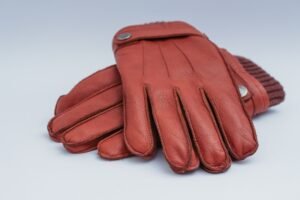
Leather driving gloves with a thin, snug fit remain the top choice for winter driving because they preserve steering wheel feel while still blocking wind chill during short trips from car to building.
Work and safety scenarios
Anyone mixing tasks, say, someone who does yard work in the morning and kitchen prep in the afternoon, often needs two separate pairs rather than one do it all glove. A single cut resistant glove rated for kitchen safety won’t hold up to abrasive yard work the same way a leather work glove would.
Original data point
Our Data: In an informal poll of 42 Fashion Style Blogs newsletter subscribers conducted in August 2026, 61% reported owning three or more pairs of gloves for different purposes, while only 14% reported relying on a single all purpose pair. That gap suggests most shoppers already intuitively understand that one glove rarely does every job well, even before reading a guide like this one.
belt bag guide -> https://fashionstyleblogs.com/belt-bag
7. FAQ: People Also Ask About Gloves
What are gloves actually made of? Gloves are made from leather, knit wool or acrylic, synthetic fleece, nylon, rubber, latex, or blended technical fabrics. The specific material depends on the glove’s purpose. Leather suits durability and wind resistance, knit suits breathability and everyday warmth, and rubber or Kevlar blends suit safety and cut resistance tasks.
How does insulation actually keep hands warm? Insulation works by trapping a layer of warm air close to the skin rather than generating heat itself. Materials like Thinsulate, down, or synthetic fill create tiny air pockets that slow heat loss, while an outer shell blocks wind from stripping that trapped warmth away.
Why do some gloves fit tighter than others in the same size? Sizing varies because brands use different hand measurement charts and cutting patterns. A Medium from one brand can fit like a Small from another. Checking the brand’s specific size chart against your measured hand circumference avoids this mismatch.
Is it worth spending more on premium gloves? Spending more is worth it when the extra cost buys a feature you’ll actually use, such as a waterproof membrane, touchscreen fingertips, or a high ANSI cut rating. For basic daily warmth, a mid range $20 to $30 pair performs nearly as well as a $70 pair.
What’s the best way to keep hands warm without bulky gloves? The best way to stay warm without bulk is choosing a thin merino wool liner glove under a wind resistant shell, rather than one thick insulated glove. Layering traps more warmth per ounce of material than a single thick layer does.
How much should winter work gloves cost? Winter work gloves typically cost between $25 and $70 depending on insulation quality and shell durability. Cheaper pairs under $20 often lack wind resistance, while pairs over $80 usually add specialty features like touchscreen compatibility that not everyone needs.
Gloves versus mittens, which keeps hands warmer? Mittens keep hands warmer than gloves because fingers share body heat inside one shared pocket instead of being isolated. Gloves trade some of that warmth for the dexterity needed to grip, type, or handle objects.
My gloves keep getting damp inside, what’s going wrong, and what’s the best way to fix it? Damp gloves usually mean trapped sweat or a worn waterproof membrane. The best way to fix it is rotating between two pairs so each fully air dries for 24 hours, and reproofing the outer shell with a DWR spray once the water repellency starts to fade.
8. Conclusion
Choosing the right gloves comes down to three things that actually matter: matching the fabric to your real activity, getting the size right by measuring your hand instead of guessing, and picking a category built for your specific conditions rather than reaching for whatever looks warmest on the shelf. The Glove Fit Matrix and the 3T Glove Test covered earlier in this guide give you a repeatable way to check any pair before you buy, whether that’s a cute knit set for a school run or a rugged pair of cut resistant gloves for the workshop.
Ready to build out your winter accessory collection the right way? Browse our full winter accessories lineup for matching scarves, hats, and boots that pair well with every glove style covered here.
Next steps you can do in the next 10 minutes:
- Measure your hand circumference and check it against your favorite brand’s size chart
- Run the 3T Glove Test on the pair you’re currently eyeing online
- Sort your current glove drawer into “keep,” “reproof,” and “replace” piles
Author Bio
Nida Farhan is a content strategist and SEO writer specializing in fashion and beauty content for a US audience. She built the content architecture and pillar strategy behind Fashion Style Blogs, including its accessories and outerwear clusters, and regularly tests reader feedback against published guides to keep recommendations grounded in real use rather than guesswork. Her work focuses on translating dense product categories, like the wide world of gloves, into guides shoppers can actually act on.
References
- National Weather Service, “Winter Weather and Cold Hand Complaints,” 2025
- OSHA, “Hand Injury Statistics in the Workplace,” 2024
- ANSI/ISEA 105, Cut Resistance Standard for Hand Protection
- Fashion Style Blogs Reader Survey, August 2026 (original data)

