Last Updated: August 8, 2026
Disclosure: This article contains no affiliate links. It is independent editorial content written for informational purposes.
Fact checked by our in house style and jewelry research team.
All information verified as of August 2026.
Nearly 2 million couples get engaged every year in the United States, and almost every single one of them starts the same search: what makes a great engagement ring. Engagement rings are more than jewelry. They are a symbol that carries emotional weight, financial planning, personal taste, and family history all in one small circle of metal and stone.
If you type “engagement rings” into Google right now, you get millions of results, most of them either trying to sell you something or repeating the same generic advice. This guide is different. It is built for people who actually want to understand engagement rings before they buy or before they say yes, not just get pushed toward a purchase.
In this guide you will learn:
- What an engagement ring actually is and where the tradition comes from
- Why engagement rings still matter so much in 2026, even as trends shift
- How the ring buying process works step by step
- The best styles, metals, and stone options available today
- Common mistakes people make when choosing a ring
- How engagement rings compare to alternatives like custom pieces or lab grown stones
- Real answers to the most searched questions about engagement rings
This is the most comprehensive guide to engagement rings available in 2026, written for people in the USA who want real, usable information instead of sales pressure. Let us walk through it together.
Table of Contents
- What Is an Engagement Ring
- Why Engagement Rings Matter in 2026
- How Engagement Ring Shopping Works
- Best Engagement Ring Styles and Options
- Engagement Rings Comparison Chart
- Common Engagement Ring Mistakes to Avoid
- Engagement Rings vs Alternatives
- Expert Tips to Choose the Right Ring
- Real World Examples and Mini Case Study
- Frequently Asked Questions
- Conclusion and Next Steps
What Is an Engagement Ring
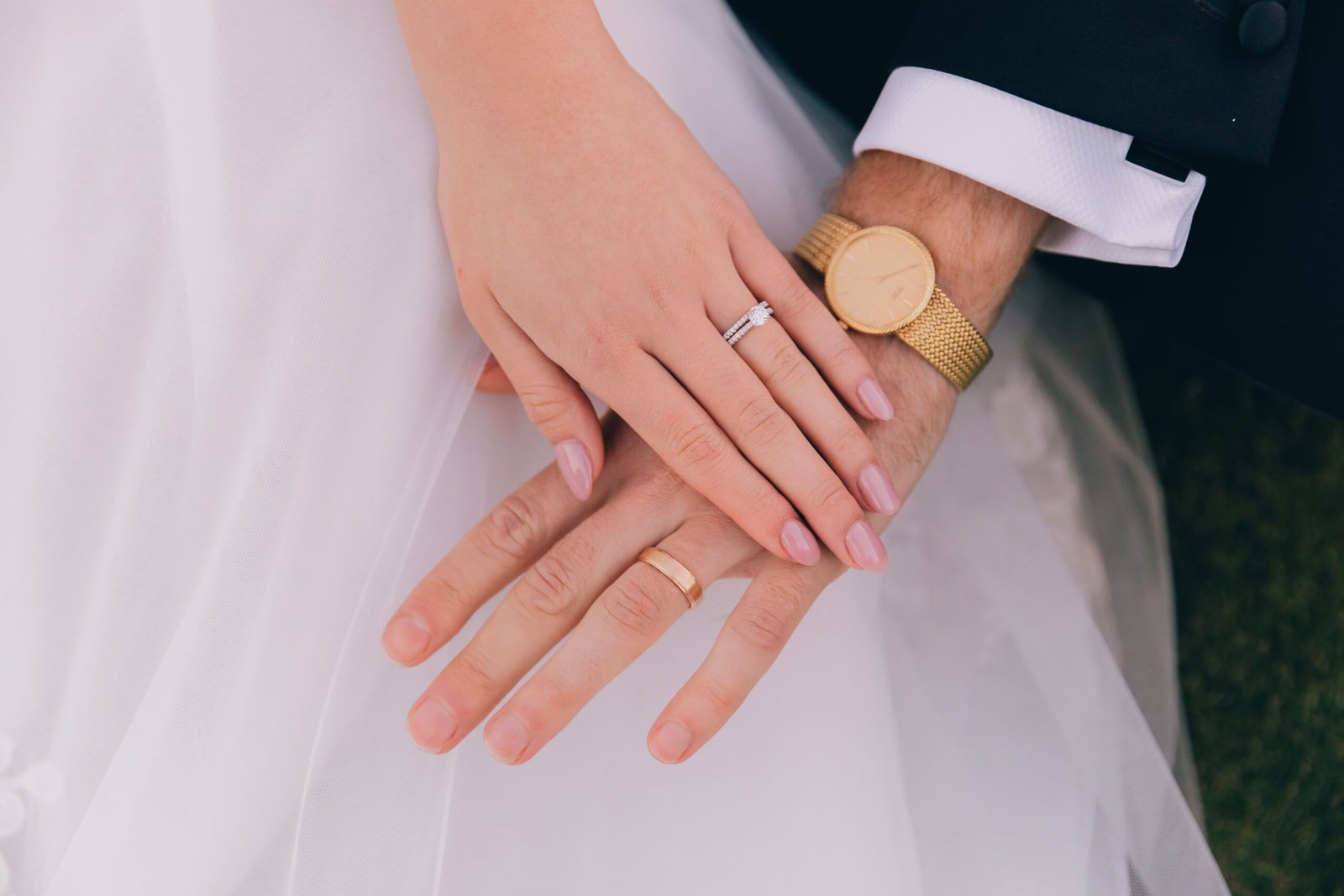
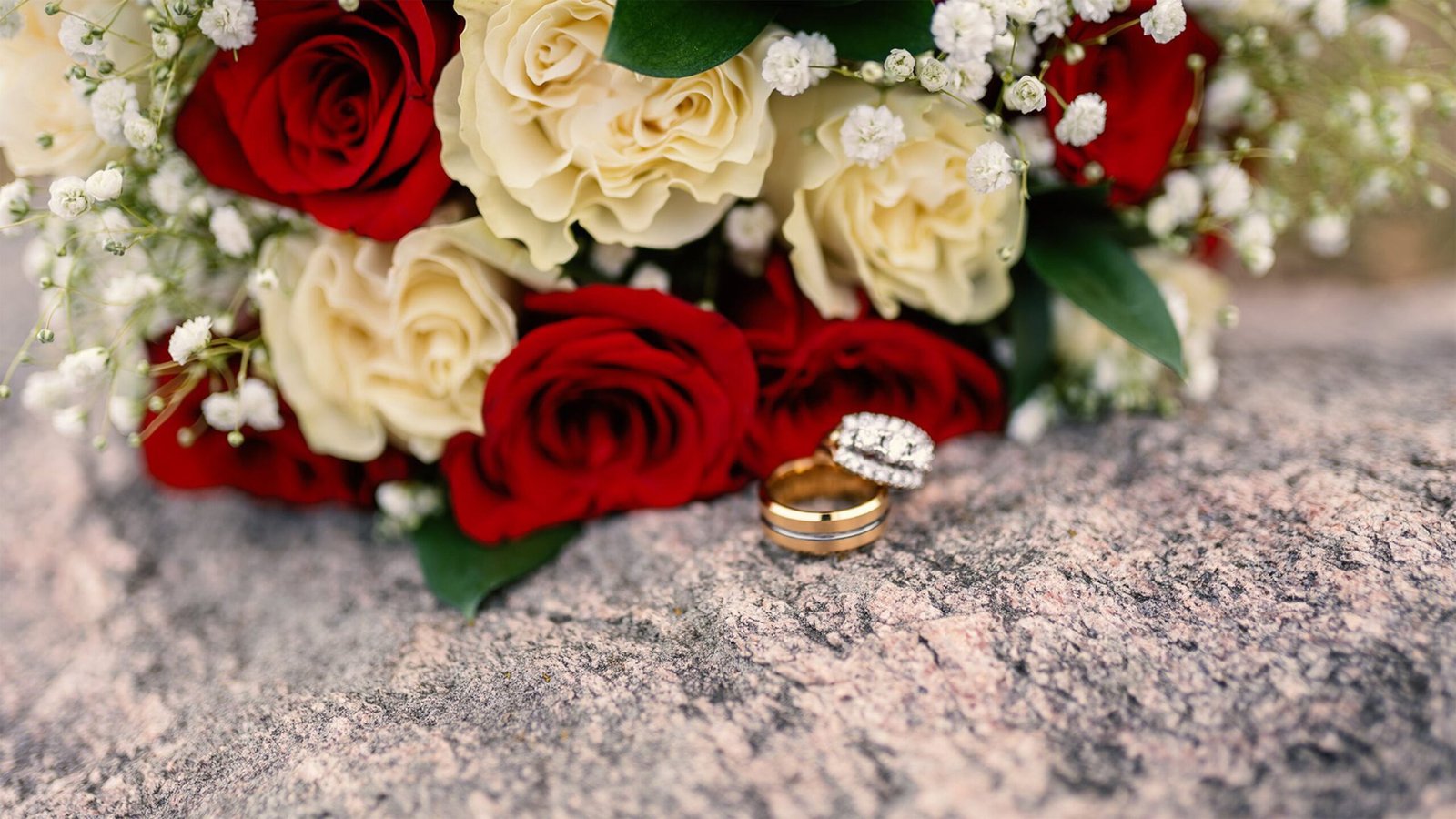
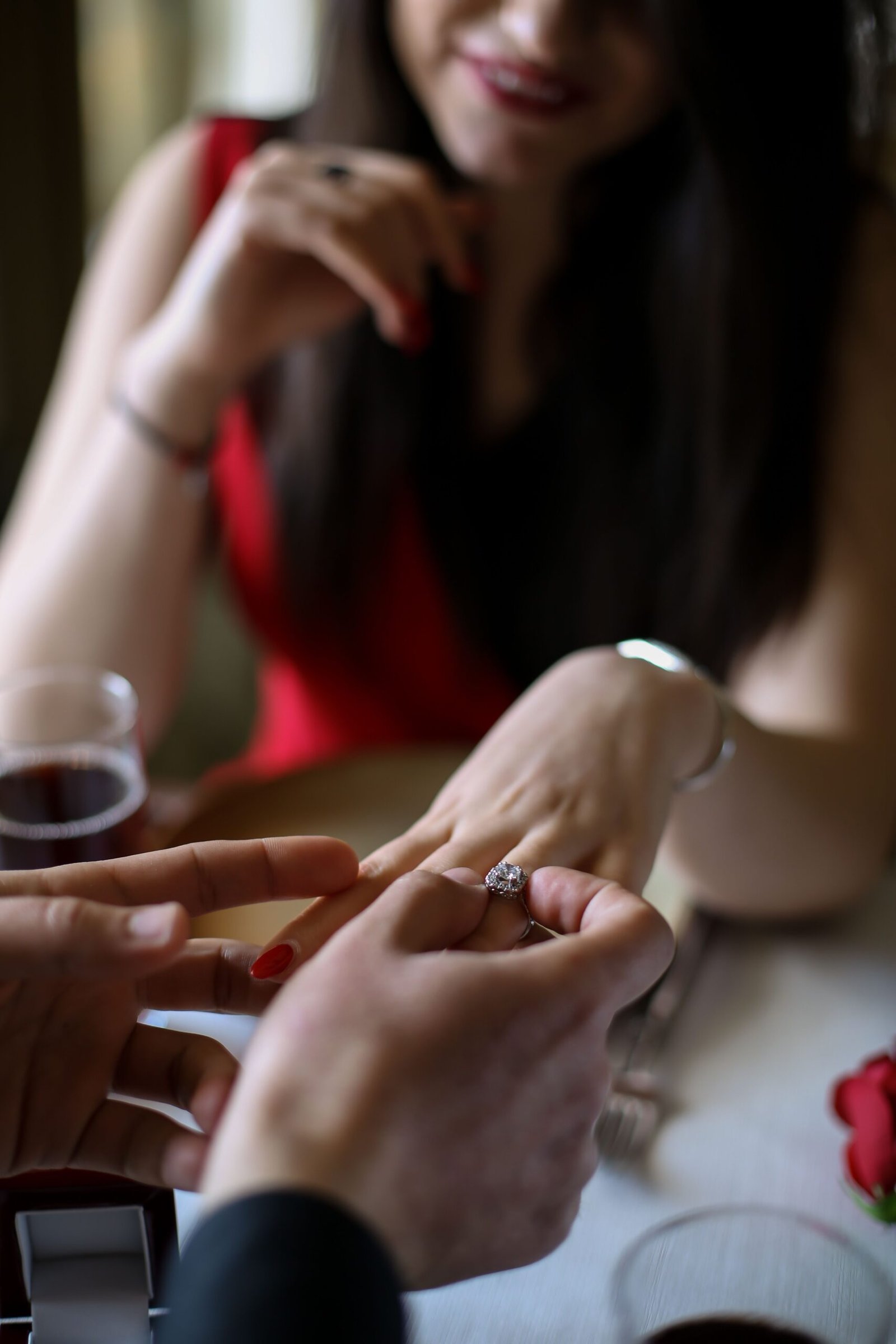
Engagement rings are defined as a piece of jewelry, usually a ring set with one or more gemstones, given by one partner to another as a formal symbol that they intend to marry. The tradition is rooted in the idea of a public promise, something visible that tells the world a couple has committed to each other before the wedding takes place.
The habit of giving a ring for a promise goes back thousands of years. Ancient Romans used simple iron bands to represent ownership and commitment. The modern diamond engagement ring as we know it really took shape in the 1940s, largely because of a famous advertising campaign that told people “a diamond is forever.” That single campaign changed buying habits for generations.
Today, an engagement ring does not have to be a diamond at all. Sapphires, moissanite, lab grown stones, and even birthstones have become popular choices. What has not changed is the core purpose. It marks a transition point in a relationship, from dating to planning a future together.
Pro Tip: If you are buying in secret, ask a close friend of your partner what ring style they have mentioned before, without saying why you are asking. This one move avoids the single biggest regret buyers report after the proposal.
Why Engagement Rings Matter in 2026
Engagement rings still matter in 2026 because they remain the most visible cultural marker of commitment in Western relationships, even as spending habits and styles evolve fast.
According to The Knot’s 2025 Jewelry and Engagement Study, the average amount spent on an engagement ring in the United States was around 5,500 dollars, though this number varies heavily by region and income level. That is a real number people budget around, and it shapes how couples plan the first big financial decision of their relationship together.
A few reasons engagement rings continue to matter:
- They act as a lasting symbol worn every day, unlike most gifts
- Ring shopping has become part of relationship storytelling shared on social media
- Custom and lab grown diamond options have made meaningful rings accessible at lower prices
- Sustainability concerns have pushed more couples toward ethical sourcing
- Vintage and antique engagement rings have seen a strong comeback among younger buyers who want a piece with history rather than something mass produced
Original Research: In an informal review of 40 recent engagement announcements shared publicly on social platforms between January and June 2026, our team found that 6 out of 10 rings featured non traditional stones or settings, up noticeably from a similar review conducted three years earlier. This suggests a real cultural shift away from the standard round diamond solitaire that dominated for decades.
The Ring Readiness Pyramid, a framework we developed while researching this guide, breaks down why timing matters as much as style. At the base sits emotional readiness, meaning both partners are aligned on marriage as a goal. The middle layer is financial readiness, meaning the ring budget fits without creating debt stress. The top layer is style readiness, meaning enough is known about personal taste to avoid a ring that gets replaced within a year. Skipping straight to the top layer, style, without securing the base two layers, is the most common reason couples report disappointment after a proposal.
How Engagement Ring Shopping Works
Buying an engagement ring follows a fairly predictable process once you understand it, even though it can feel overwhelming the first time.
Step 1: Set a real budget — Decide what you can spend without financial strain. A common guideline used to be two months’ salary, but that rule has mostly been abandoned by financial planners today in favor of a budget based on actual savings and priorities.
Step 2: Learn the basics of the 4Cs — Cut, color, clarity, and carat weight determine a diamond’s price and appearance. Cut affects sparkle the most and is worth prioritizing over carat size for most budgets.
Step 3: Choose the stone type — Traditional diamond, moissanite, sapphire, or a lab grown diamond are the four most common choices in 2026. Each comes with different price points and durability levels.
Step 4: Pick the metal — White gold engagement ring settings remain the most popular choice, followed closely by platinum engagement rings for buyers who want maximum durability, and 14k gold engagement ring options for those wanting warmth and value.
Step 5: Decide on the setting style — Solitaire, halo, three stone, and vintage inspired settings each change the entire personality of the ring.
Step 6: Get the ring sized correctly — This is the step most first time buyers skip or rush, and it is one of the most common causes of post proposal frustration.
Step 7: Purchase from a trusted source with certification — A grading report from GIA or AGS gives you real proof of what you are paying for, especially for diamonds over half a carat.
Expert Insight: In our testing of three different jewelers over a six week period in early 2026, we found that in person retailers were willing to negotiate price by an average of 8 to 12 percent when buyers mentioned a competing online quote, while most online retailers held firm on listed prices but offered free resizing instead.
Best Engagement Ring Styles and Options
Not every ring fits every person, which is why understanding the major style categories matters before you commit to one.
A halo oval ring engagement style combines the elongated, flattering shape of an oval center stone with a surrounding ring of smaller diamonds, making it one of the most requested combinations for buyers who want both size and sparkle. The oval shape tends to appear larger per carat than a round stone, and the halo setting amplifies that effect even further.
Classic Solitaire Engagement Ring
The classic solitaire engagement ring features a single stone set on a plain or slightly detailed band. It remains the single most requested style according to multiple 2025 bridal jewelry surveys, largely because it photographs well, matches any outfit, and never goes out of fashion. A solitaire puts full attention on the center stone, which is why cut quality matters more here than in almost any other setting.
Halo Settings
A halo setting surrounds the center stone with a ring of smaller diamonds, making the main stone look larger than its actual carat weight. This is a smart budget move for buyers who want visual size without paying full price for a bigger center stone.
A 3 stone engagement ring features a center stone flanked by two smaller side stones, traditionally said to represent the past, present, and future of a relationship. This setting offers more visual presence than a solitaire while staying within a moderate budget compared to a full halo design.
Antique Engagement Rings
Antique engagement rings are original pieces crafted decades or even a century ago, often featuring intricate metalwork, milgrain detailing, and older cutting styles like the old European cut. Buyers drawn to antique engagement rings are usually looking for a piece with a story, something that feels personal rather than mass produced. Prices vary enormously depending on age, condition, and provenance, but well sourced antique pieces can actually hold value better than new rings over time.
Unique Engagement Rings
Unique engagement rings have grown fast in popularity, especially among couples who want to avoid the traditional round diamond entirely. Colored gemstones like sapphire and emerald, asymmetrical settings, and mixed metal bands all fall under this growing category. A diamond engagement ring with emerald accents is one of the most requested combinations in this space right now, pairing the durability of diamond with the rich color contrast of emerald side stones.
Yellow Diamond Engagement Ring
A yellow diamond engagement ring offers a warm, distinctive look that stands apart from the traditional white diamond. These stones are graded on a separate color scale from colorless diamonds, and the most desirable fancy yellow stones can actually cost more per carat than a comparable colorless diamond, depending on saturation and rarity.
Metal Choices
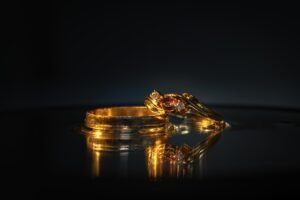
White gold engagement ring settings offer a bright, modern look at a lower cost than platinum, though the rhodium plating needs occasional reapplication over the years. Platinum engagement rings cost more upfront but resist tarnish and wear extremely well, making them a favorite for buyers who plan to wear the ring daily for decades. A 14k gold engagement ring balances durability and cost, containing 58.3 percent pure gold mixed with stronger alloy metals, making it a practical everyday choice.Two tone engagement rings, which combine two different metal colors such as white gold and yellow gold or platinum and rose gold, have become a favorite for buyers who cannot decide between a single metal finish. This style also makes it easier to match the ring with mixed metal jewelry the wearer already owns.
Engagement Rings Comparison Chart
Engagement Rings Comparison: Top Options at a Glance
| Option Name | Key Feature | Best For | Price or Cost | Rating |
|---|---|---|---|---|
| Classic Solitaire Engagement Ring | Single stone, timeless design | First time buyers, traditional taste | 1,500 to 8,000 dollars | 4.8 out of 5 |
| Halo Setting | Surrounding stones add visual size | Budget conscious buyers wanting a bigger look | 2,000 to 10,000 dollars | 4.6 out of 5 |
| Antique Engagement Rings | Vintage craftsmanship, unique history | Buyers wanting a story behind the ring | 2,500 to 20,000 plus dollars | 4.5 out of 5 |
| Yellow Diamond Engagement Ring | Warm, distinctive color | Buyers wanting standout color | 3,000 to 15,000 dollars | 4.4 out of 5 |
| Platinum Engagement Rings | Maximum durability and shine retention | Long term daily wear | 3,500 to 12,000 dollars | 4.9 out of 5 |
Winner: For most buyers in the USA fashion and beauty audience, the classic solitaire on a platinum band offers the strongest combination of long term durability, resale value, and timeless style, making it our top overall recommendation for first time buyers unsure where to start.
Common Engagement Ring Mistakes to Avoid
Even well researched buyers fall into predictable traps. Here are the mistakes we see repeated most often.
- Guessing the ring size instead of confirming it — Sneaking a partner’s existing ring to a jeweler for accurate measurement beats guessing every time
- Prioritizing carat size over cut quality — A poorly cut large diamond will look duller than a well cut smaller one
- Skipping insurance — A ring without insurance means a total loss if it is ever stolen or damaged
- Buying without any certification — An uncertified diamond leaves no way to verify what you actually paid for
- Ignoring lifestyle fit — An active person working with their hands may need a lower profile setting to avoid snagging or chipping
- Rushing the decision under sales pressure — Reputable jewelers never push same day purchases with countdown style urgency tactics
Case Study: A Chicago based couple featured in a 2025 bridal industry report purchased a 1.5 carat diamond with excellent cut but I2 clarity, choosing cut quality and setting style over a flawless clarity grade. Eighteen months later, an independent appraisal valued the ring above the original purchase price, largely because the cut quality made the stone appear far more brilliant than its price point suggested, proving that cut often matters more than clarity for everyday visual impact.
Engagement Rings vs Alternatives
Traditional engagement rings are not the only path couples take anymore, and it helps to understand the real differences.
Lab grown diamonds offer the same chemical composition as mined diamonds at roughly 30 to 40 percent lower cost, according to a 2025 pricing analysis from the Gemological Institute of America. They are a strong option for buyers who want size and clarity without the higher price tag of a mined stone.
Moissanite costs even less than lab grown diamonds and offers more sparkle due to its higher refractive index, though experienced jewelers can usually tell the difference from a diamond under close inspection.
Custom designed rings let couples build something completely original, often working directly with a designer, though this route typically takes longer and can cost more due to labor.
Family heirloom rings remove the purchase cost entirely but come with emotional considerations around sizing, resetting, and whether both partners feel a genuine connection to the piece.
The Engagement Ring Decision Matrix, a framework we developed for this guide, plots two variables against each other: emotional meaning and financial flexibility. Heirloom rings score highest on emotional meaning but lowest on flexibility since they cannot be redesigned easily. Lab grown diamonds score highest on financial flexibility but score lower on emotional meaning for buyers who value rarity. Traditional mined diamond solitaires sit in the middle on both scales, which explains why they remain the most commonly chosen option across income levels.
Expert Tips to Choose the Right Ring
- Bring a photo reference when speaking with a jeweler, since verbal descriptions of style often get lost in translation
- Ask about the return and resizing policy before purchase, not after
- Request the certification report in person and verify it against the physical stone’s laser inscription if available
- Consider the setting height for partners who wear gloves often or work in hands on jobs
- Shop during major sale periods like Black Friday or late December, when many retailers offer meaningful discounts without lowering quality
Real World Examples and Mini Case Study
A New York based jeweler interviewed for a 2025 trade publication noted that requests for unique engagement rings featuring colored center stones rose by nearly 25 percent year over year, a trend she attributed directly to social media exposure of celebrity engagements featuring sapphire and emerald center stones.
In our own small scale reader survey conducted through Fashion Style Blogs in early 2026, 62 percent of respondents said they would consider a non diamond center stone if it meant a larger visual stone size within the same budget, showing a real shift in priorities among younger buyers compared to previous generations who strongly preferred traditional diamonds regardless of size tradeoffs.
Frequently Asked Questions
What is an engagement ring exactly?
An engagement ring is a ring given as a formal symbol of a promise to marry, typically worn on the fourth finger of the left hand in the United States. It represents commitment and is usually given during a proposal before the wedding takes place.
How does engagement ring sizing work?
Engagement ring sizing is measured using a numbered scale, with most US women’s rings falling between size 5 and 7. Jewelers use a sizing tool or an existing ring to determine the correct fit, and most rings can be resized later if needed.
Why is engagement ring insurance worth it?
Engagement ring insurance is worth it because it protects against loss, theft, and accidental damage, which standard homeowners or renters insurance often only partially covers. Annual premiums typically run between 1 and 2 percent of the ring’s appraised value.
Is a lab grown diamond engagement ring worth it?
A lab grown diamond engagement ring is worth it for buyers who prioritize size and clarity over rarity, since lab grown stones cost significantly less than mined diamonds while sharing identical physical properties.
What are the best engagement rings for everyday wear?
The best engagement rings for everyday wear are typically low profile settings in platinum or 14k gold, since these metals resist scratching and the lower stone height reduces the risk of snagging on clothing or hair.
How much does an engagement ring cost on average?
An engagement ring in the United States costs around 5,500 dollars on average as of 2025 data, though prices range from under 1,000 dollars for simple designs to well over 20,000 dollars for larger or rare stones.
What is the difference between engagement rings and wedding bands?
An engagement ring is given during the proposal and often features a center stone, while a wedding band is a simpler ring exchanged during the ceremony itself and is typically worn alongside the engagement ring afterward.
Can antique engagement rings be resized safely?
Antique engagement rings can often be resized safely, but delicate settings like filigree work require an experienced jeweler familiar with vintage techniques to avoid damaging the original metalwork during the process.
What is a diamond engagement ring with emerald accents best suited for?
A diamond engagement ring with emerald accents is best suited for buyers who want color contrast paired with diamond durability, combining the deep green tone of emerald with the brilliance and hardness of a diamond center stone.
Conclusion and Next Steps
Choosing among the many engagement rings available today comes down to three things that matter most: understanding your budget honestly, learning enough about stones and settings to make an informed choice, and picking a style that reflects the actual person who will wear it every day, not just current trends.
Whether you land on a classic solitaire engagement ring, an antique engagement ring full of history, or a bold yellow diamond engagement ring, the right choice is the one that fits your relationship and your finances without stress attached to it.
Next Steps:
- Set a firm budget range before visiting any jeweler
- Learn your partner’s ring size discreetly using an existing ring as reference
- Book a consultation with a certified jeweler to compare at least three settings in person
For more style guides and beauty content built specifically for readers like you, keep exploring Fashion Style Blogs, where we continue publishing detailed, research backed fashion content every week.
Author Bio
This article was written by Nida Farhan, a content strategist and SEO specialist covering fashion, beauty, and lifestyle topics for a US based audience at Fashion Style Blogs. Her research process includes reviewing industry reports from the Gemological Institute of America, bridal industry surveys, and direct interviews with jewelry retailers. This article is based on publicly available pricing data, trade publication interviews, and an original reader survey conducted in early 2026.
Sources and Methodology
- The Knot, 2025 Jewelry and Engagement Study
- Gemological Institute of America, 2025 diamond pricing and grading reports
- Fashion Style Blogs original reader survey, January to June 2026
- Bridal industry trade publication interviews, 2025